

Most people do not expect a summer job to matter beyond the season. They take the role for the income, the line on their résumé, or simply a reason to get out of the house. And then they spend the summer going through the motions, waiting for something more serious to come along.
Face-to-face fundraising is not that. It never has been.
If you are mid-season right now, you already know this role is different. You have knocked on hundreds of doors. You have had conversations that went nowhere and conversations that genuinely moved someone. You have learned more about yourself under pressure than most people discover in years of office work. What you may not fully see yet is what that experience is actually worth, and where it can take you.
“This role taught me how to handle rejection, read a room, and close a conversation with confidence. I use those skills every single day.”
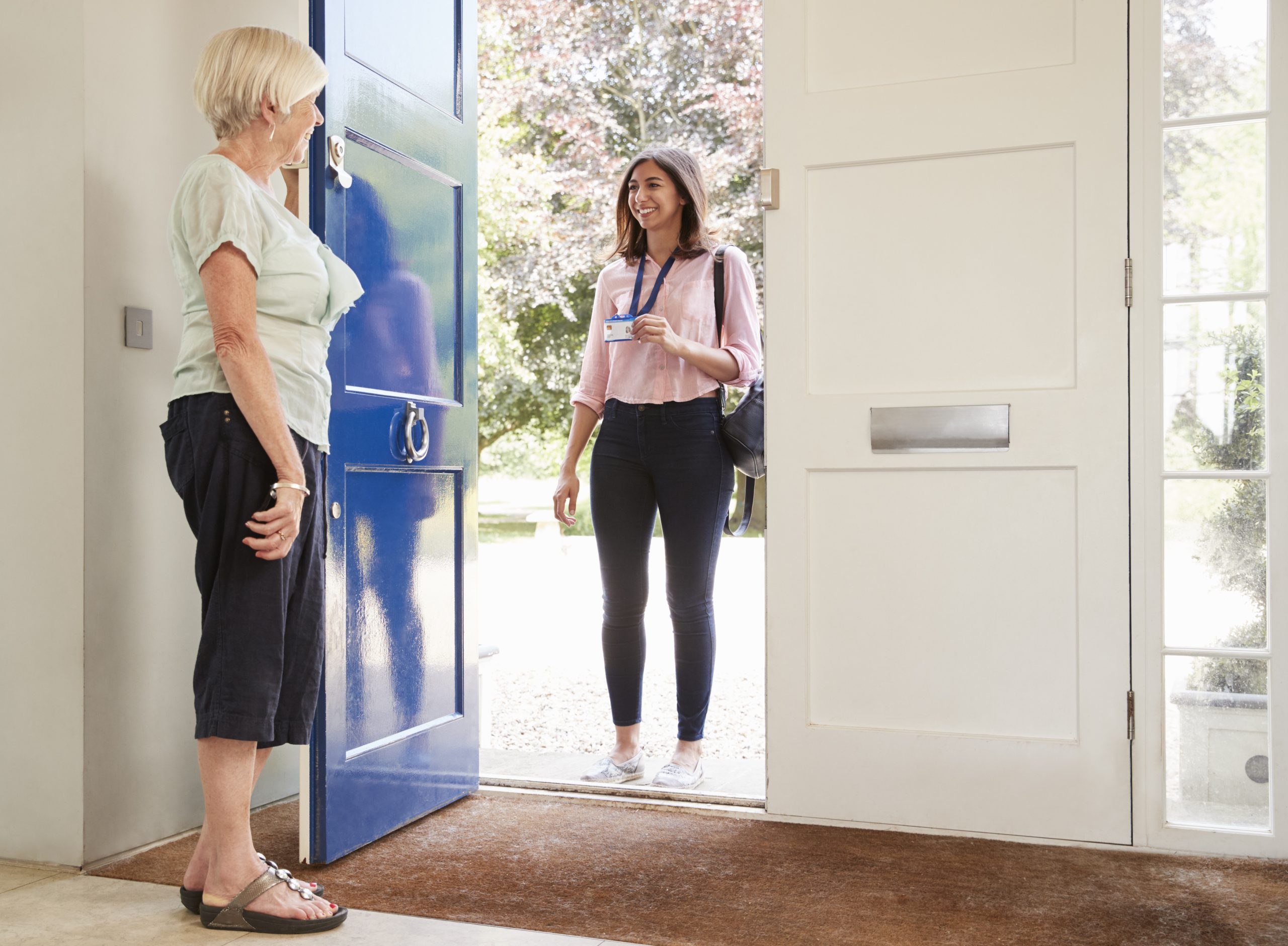
What this role is actually teaching you
Most entry-level jobs ask you to observe. This one puts you in the deep end from day one. You are having real conversations with strangers, handling objections on the spot, and finding a way to connect a genuine cause to a real person in real time. There is no script that covers every situation. You figure it out as you go.
The skills that come out of that experience are not soft skills in the way people sometimes dismiss them. They are the skills that employers across every industry are actively looking for and consistently struggle to find in candidates who are early in their careers:
-
- Communication under pressure
- Resilience and the ability to reset after a tough interaction
- Persuasion and the ability to tell a story that lands
- Target-driven performance and the discipline to deliver consistently
- Empathy and genuine active listening
You do not build these by watching a training video or sitting through an onboarding session. You build them by doing the work. And right now, you are doing exactly that.
How it reads on a résumé
A lot of people undersell this experience when they sit down to write it up. They put “customer service” or “sales representative” and leave it at that. That does not come close to capturing what you actually did.
When you write up a season of face-to-face fundraising, think about what you genuinely accomplished:
-
- You represented national and international non-profit organisations directly to the public
- You consistently met or exceeded daily acquisition targets in a fully self-directed environment
- You built trust with strangers quickly and communicated complex information in a clear, compelling way
- You managed your own performance outdoors, without supervision, day after day
That is a strong profile. It signals drive, emotional intelligence, and the ability to perform under real pressure. Those are not qualities that show up on most graduate résumés. Hiring managers notice that combination, because it is genuinely uncommon.
Where former fundraisers end up
The career paths that open up after a season in field fundraising are wider than most people expect going in. The skills you are building right now transfer directly into roles across a range of industries, because the core of what you are doing, connecting with people, communicating with purpose, and performing under pressure, is valued almost everywhere.
-
- Sales and business development
- Marketing and communications
- Non-profit and charity management
- Team leadership and people management
- Entrepreneurship and client-facing consulting
Many people who come through field fundraising stay in the industry and grow into team leader, campaign manager, or director-level roles. Others take what they have built and apply it somewhere else entirely. Either way, they leave with something real. Something that shows up in how they carry themselves long after the season ends.